Our Archive

What Makes A Happy Life?

Adapted from a Harvard study:

  • A Happy childhood can lead to warmer and more secure relationships to those closest to you – start forgiving and healing old childhood wounds today!
  • Fostering the welfare of the next generation at work or home can ease the sting of difficult childhoods
  • Coping effectively with stress and engaging directly with the realities rather than ignoring it, has lifelong benefits
  • Breaking bad habits earlier in life lower the risk for cancer and other medical illnesses later on in life
  • Starting to exercise earlier in life predicts that people will stay healthy longer in life, with their brains staying sharper and their immune systems stronger.
  • Spending time with people with a positive effect on your life, can increase your happiness

For more info on the study:
www.adultdevelopmentstudy.org
www.health.harvard.edu

For guidance on changing bad habits, for more info on how to be happy, or any other needs, contact us with your specific request on info@agape4life.com

Read More

I am stressed!

Symptoms of stress

You may experience one or more of these symptoms if you’re under stress:

  • Chronic pain
  • Insomnia and other sleep problems
  • Lower sex drive
  • Digestive problems
  • Difficulty concentrating and making decisions
  • Fatigue
  • Feeling overwhelmed, irritable, or fearful.
  • Stress headaches due to tense muscles in the head, face, and neck may vary from mild to moderate dull head pain, a band of pressure around your forehead or tenderness of the scalp and forehead.
  • Stomach ulcer.Physical stress may affect how you heal from an ulcer. In turn, the heartburn and pain of a stomach ulcer can lead to emotional stress.
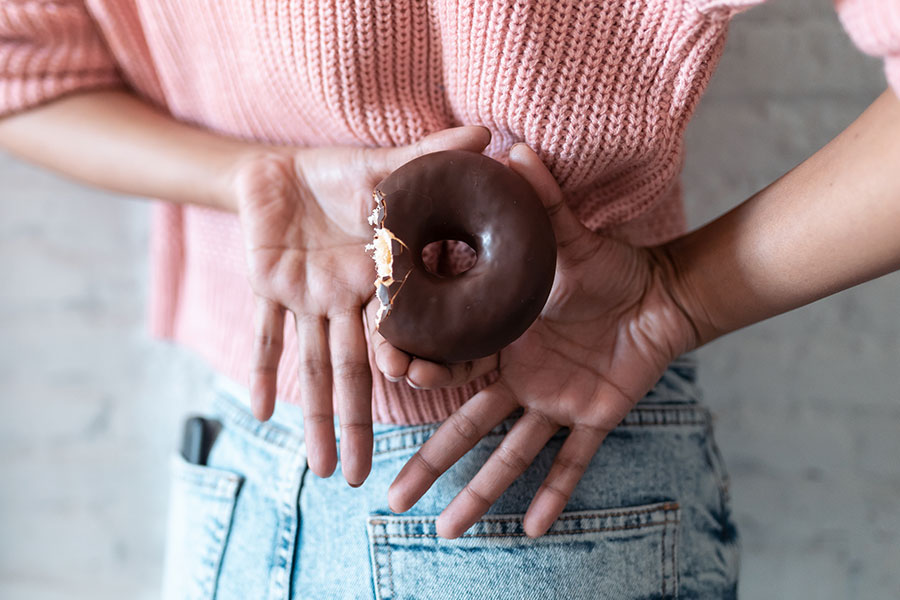
  • Stress eating – when you find yourself eating without thinking, binging in the middle of the night, or generally eating way morethan you used to.
  • Stress at work can be occasional or chronic and can come in the form of:
    • feeling you lack power or control over what happens
    • feeling stuck in a job you dislike and seeing no alternatives
    • being made to do things you don’t think you should do
    • experiencing a conflict with a co-worker
    • having too much asked of you, or being overworked
  • Stress and anxietyoften go hand in hand. Anxiety is when you feel high levels of worry, unease, or fear. Having both stress and anxiety can make you more likely to develop high blood pressure, heart disease, diabetes, panic disorder, depression, etc.

Tips For Managing Stress:

  • Keep a positive attitude, give yourself positive messages (”I’m doing my best,” or ”I’ll ask for help”) instead of defaulting to negatives (”Nothing goes right for me,” or ”Bad things always happen to me”),
  • Accept that there are events that you cannot control.
  • Be assertive instead of aggressive. Assert your feelings, opinions, or beliefs instead of becoming angry, defensive, or passive.
  • Halt stress in its tracks; if you feel overwhelmed, take a walk or drive in the slow lane to avoid getting angry at other drivers.
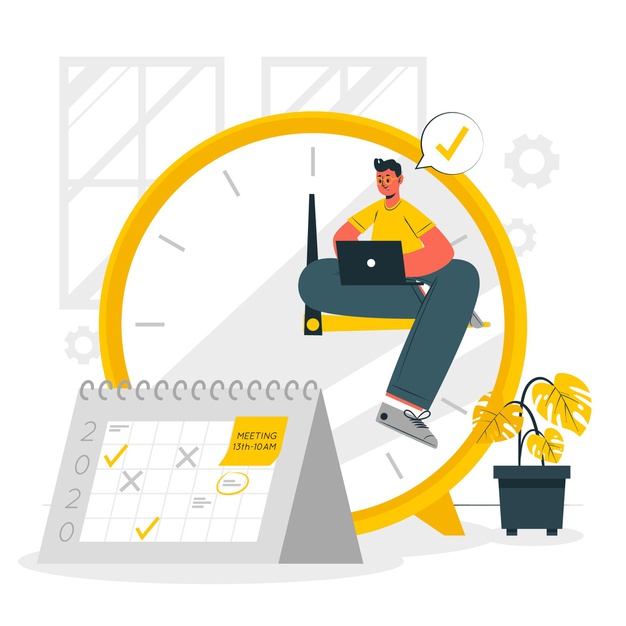
  • Learn to manage your time more effectively. Give yourself time to get things done; set your watch. Staying on top of your to-do list can help ward off procrastination-related stress.
  • Take 15-20 minutes every day to sit quietly and reflect. Practice relaxation techniques like deep breathing – it helps activate your parasympathetic nervous system, which controls the relaxation response.
  • Regular exercise can help lower stress and anxiety by releasing endorphins and lowering your body’s stress hormones such as cortisol, improving your sleep quality and make you feel more competent and confident in your body, promoting mental wellbeing.
  • Eat healthy, well-balanced meals.
  • Set limits appropriately; say no to requests that would create excessive stress in your life. Try not to take on more than you can handle.
  • Make time for hobbies and interests. Do things that are pleasurable, like reading or gardening.
  • Get enough rest and sleep. Your body needs time to recover from stressful events.
  • It’s good for your health, and it helps relieve stress by relieving your stress response and by relaxing your muscles. Find the humour in everyday life
  • Don’t rely on alcohol, drugs, or compulsive behaviors to reduce stress. Drugs and alcohol can stress your body even more.
  • Reduce your caffeine Intake. Caffeineis a stimulant found in coffee, tea, chocolate and energy drinks. High doses can increase anxiety.
  • Write It Down. Keeping a journal can help relieve stress and anxiety; jotting down what you’re grateful for may help relieve stress and anxiety by focusing your thoughts on what’s positive in your life.
  • According to several studies, chewing gum may help you relax. It may also promote wellbeing and reduce stress.
  • Seek out social support. Having strong social ties may help you get through stressful times and lower your risk of anxiety.
  • Several supplements promote reduction of stress and anxiety. Some common ones include: Lemon balm, Omega-3 fatty acids, Green tea (contains antioxidants, may lower stress and anxiety by increasing serotonin levels), Valerian root, Kava kava, etc. Some supplements can interact with medications or have side effects, so consult with a doctor if you have a medical condition.
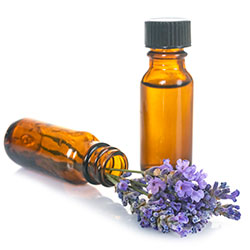
  • Aromatherapy: Only use 100% essential oil scented candles to help reduce your feelings of stress and anxiety. Some of the most calming scents are Lavender, Bergamot, Chamomile, Frankincense, Sandalwood, Rose, Ylang ylang, Orange, Geranium, etc.
  • Positive physical contact from cuddling, hugging, kissing and sex may help lower stress by releasing oxytocin and lowering blood pressure
  • Listening to soothing music, e.g. classical or nature sounds can be particularly relaxing.
  • Interacting with pets may help release oxytocin, a brain chemical that promotes a positive mood and is a relaxing, enjoyable way to reduce stress.
  • Seek treatment with a mental health professional trained in stress management or biofeedback techniques to learn more healthy ways of dealing with the stress in your life.

Trick your brain to effectively deal with stressful situations

To “trick” your brain’s response to pressure, use this “four-step brain hack to harness stress:

  • Sayout loud “I feel excited”
  • Breathe in slowlythrough the nose for five seconds and then exhale for six seconds.
  • Stand up tall and puff out your chest like a superhero  (This pose boosts testosterone levels in both men and woman.)
  • Squeeze your right hand shutfor 45 seconds, open for 15 seconds and then shut it again.  Squeezing the right hand increases activity in the left side of the brain.


By channeling stress into positive energy, the brain is “tricked” into dealing with “fight or flight” hormones, adrenaline and cortisol, before they can cause problems.

Sources:

https://www.webmd.com/anxiety-panic/guide/tips-for-reducing-stress

https://www.healthline.com/

http://healthinsight.co.za/

For guidance on changing bad habits, managing stress or any other needs, contact us with your specific request on info@agape4life.com

Read More

Laughter – The Best Medicine

There is a lot of truth in the saying “laughter is the best medicine”. Various chemical reactions take place in the body when you are having a good laugh.

The positive effects of laughter:

  • Muscles stretch throughout the face and body.
  • Increases oxygen to body tissues.
  • Relieves stress
  • Regulates cortisol and epinephrine
  • When accompanied by positive thoughts can release neuropeptides
  • Stimulate circulation of blood and aids muscle relaxation, which can reduce some of the physical symptoms of stress.
  • Produces anti-bodies and endorphins, the body’s natural pain killers.
  • Produces the happy hormones: dopamine, oxytocin, seratonin and endorphins
  • Regulates the dopamine levels in the brain. Dopamine triggers a feeling of pleasure and is a neurotransmitter that regulates mood, motivation, attention and learning.
  • Reduces arterial wall stiffness and improves endothelium (inner lining of blood vessels).
  • Lowers the risk of heart attack.
  • Improves the lung function of patients with chronic obstructive pulmonary disease.
  • Laughter over an extended period of time, such as at a comedy show, can reduce blood sugar levels in diabetic people.
  • Boosts the level of immune cells in the body.
  • Increases thinking skills, thought flexibility, creativity, focus, health, intelligence and relationships!

Learn to laugh more

  • Your sense of humour can be developed or refined.
  • Practice by turning the corners of your mouth upwards into a smile and give a laugh. Initially it may feel forced, but it will soon turn into a chuckle and you will experience feeling more relaxed.
  • Try to spend time with friends that make you laugh.
  • Share jokes and funny stories with those around you.
  • Start reading funny books and watch comedy shows and movies.

“Laugh, and the world laughs with you!”

Source: http://healthinsight.co.za/

For guidance on changing bad habits, learning to laugh more or any other needs, contact us with your specific request on info@agape4life.com

Read More

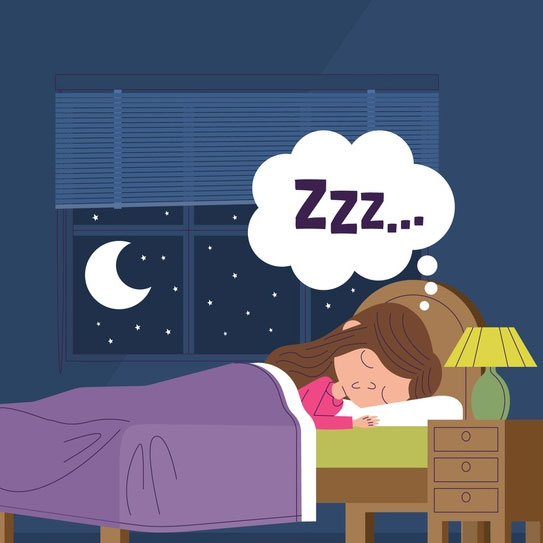
How can I improve my Sleep?

During the initial phase of light sleep, the vast amount of information received that day is erased, and only important memories are kept.  Then in the deep sleep phase growth hormones are released, lots of important physiological maintenance is performed, muscles relax, and heart rate and blood pressure decreases.

Healthy habits to improve healthy sleep:

  • Use your bedroom for sleeping only and not for activities such as watching television. The body and mind will adjust to the bedroom being a sanctuary to be slept in.
  • Establish a bedtime routine where you relax at least an hour before getting into bed, by taking a bath, listening to music or reading a book to help relax your body and mind.
  • Daily physical activity that will increase the heart rate for at least 30 minutes is recommended for healthy sleeping patterns, but not shortly before going to bed, as it may leave you too energized to sleep. A short walk first thing in the morning will help set your circadian clock to be in synch with sleeping and waking times.
  • Switch off all electronic devices and the television well in advance before going to bed. The bluish light emitted by electronic devices can suppress melatonin production in the body and disrupt the sleep cycle. Use dim red lights for night lights.
  • Alcohol may make you fall asleep quicker, but sleep quality is poor. Best not to have a drink at least three to four hours before bedtime.
  • Establish a routine of going to sleep and waking up at the same times.
  • Sleep in a dark room and ensure that the bed and bedding are comfortable.
Age Group Recommended sleep needed
Newborns (0-3 months) 14-17 hours
Infants (4-11 months) 12-15 hours
Toddlers (1-2 years) 11-14 hours
Preschoolers (3-5) 10-13 hours
Primary School (6-13) 9-11 hours
Teenagers (14-17) 8-10 hours
Young adults (18-25) 7-9 hours
Adults (26-64) 7-9 hours
Seniors (65 and older) 7-8 hours

Source: http://healthinsight.co.za/

For guidance on changing bad habits, improving your sleep or any other needs, contact us with your specific request on info@agape4life.com

Read More
To improve your concentration, you have to firstly raise your brain’s natural ability to concentrate and, secondly, adjust the environment around you.
The structure and function of the adult brain is not set in stone, as scientists have always believed. By working at it consistently and regularly you can reshape your brain!

Step 1: Power up your brain

  • Eat healthier. Your brain needs the proper nutrients to focus, and your blood sugar needs to be regulated.
  • Proper sleep. You need sufficient restful sleep to be focused mentally.
  • Mindfulness meditation. 20 minutes of meditation or more per day improves concentration and attention span.
  • The scent of peppermint tea can boost alertness and mood. Or, dab a drop of peppermint essential oil on your skin. A diffuser can be used to spray the oil into the room as a mist.
  • Practice Clock Concentration. A concentration-training exercise: Watch the second hand travel around the face of a clock for five minutes, while staying perfectly still. It’s a lot harder than it sounds!\
  • Brain games. The more you use certain skills, the more they are reinforced in the brain, e.g. concentration games that require you to focus.

Step 2: Optimise your Environment

  • Try the colour red. A study discovered that even a small splash of the colour red improves concentration and memory. Put red paper in a picture frame or set small red items on your desk. Add red to your outfit, such as a red tie or red scarf. Change your computer’s desktop background to red.
  • Create a study spot. Your brain loves routine. Create a place where all you do is study. Studying in bed is a bad habit, because your body is trained to want to sleep once you get into bed.
  • Try green light. A different study showed that green light improves concentration. Install a green light bulb in the study lamp at your desk.
  • Cultivate Listening. Practice your listening skills. Conversations are a great time to strengthen your powers of concentration. Focus to understand the other person’s point of view. This builds your muscle of attention.
  • Chew gum. Chewing sugar-free gum while performing a task can improve your concentration
  • Take mental snapshots. Focus intently on a special moment, then click your mental camera shutter by blinking your eyes slowly. Practicing this will improve your concentration and form a vivid memory of the event.
  • Remove distractions. Turn off the television, the radio and the ringer on your phone. However, instrumental music (no vocals) can help improve your concentration.
  • Activate your Theta waves. Deep breathing switches the brain’s electrical pulses to Theta waves. Consciously breathe from your lower abdomen and slow your rate of breathing. After a few moments the Theta waves should be flowing in your brain, and you should be more receptive to concentrating on new information.

Source: https://www.memory-improvement-tips.com/

For guidance on changing bad habits, improving concentration or any other needs, contact us with your specific request on info@agape4life.com

Read More

Are you Coping with your Depression?

Depression drains your energy, hope, and drive, making it difficult to take the steps that will help you to feel better. You can’t just will yourself to “snap out of it,” but you do have more control than you realise. Feeling better takes time, but you can get there by making positive choices for yourself each day.

1

Get in a routine. To get structure back in your life, set a gentle daily schedule. Try to get up at your normal time and stick to your routine as much as possible.

2

Set goals. Set daily goals for yourself. Start very small with something that you can succeed at, like doing the dishes every other day. Then add challenging goals.

3

Exercise. It boosts feel-good chemicals (endorphins). Regular exercise rewires the brain in positive ways. Start gently by walking for 20 minutes every day.

4

Eat healthy. If you tend to overeat, controlling your eating will help you feel better. Foods with omega-3 fatty acids (such as salmon and tuna) and folic acid (such as spinach and avocado) help ease depression. Deficiencies in B vitamins such as folic acid and B-12 can trigger depression. Eat more citrus fruit, leafy greens, beans, chicken, and eggs.

5

Get enough sleep.Too little sleep can make depression worse. Make some changes to your lifestyle: Go to bed and get up at the same time every day. Try not to nap. Take all the distractions out of your bedroom — no computer and no TV.

6

Get a daily dose of sunlight. It boosts serotonin levels and improves your mood. Expose yourself to the sun for at least 15 minutes a day. Take a walk on your lunch break, have your coffee outside or spend time gardening. Let more natural light into your home and workplace by opening blinds/curtains and sitting near windows.

7

Take on responsibilities. Staying involved and having daily responsibilities can help you maintain a lifestyle that counters depression. They ground you and give you a sense of accomplishment.

8

Challenge negative thoughts. Depression lets you leap to the worst possible conclusions. You might feel like no one likes you, but is there real evidence for that? It’s important to remember that this is a symptom of your depression and these irrational, pessimistic attitudes, known as cognitive distortions, aren’t realistic. Use logic as a natural treatment – identify the negative thoughts that are fueling your depression, and replace them with a more balanced way of thinking.

9

Do something new. Push yourself to do something different. Go to a museum. Pick up a used book and read it on a park bench. Take a language class. When we challenge ourselves to do something different, it alters the levels of dopamine in the brain, which is associated with pleasure, enjoyment, and learning.

10

Try to have fun. Make time for things you used to enjoy, even if nothing seems fun anymore. As strange as it might sound, you have to work at having fun. You have to relearn how to enjoy life.

11

Stay in touch. Socialising can improve your mood. Keeping in touch means you have someone to talk to when you feel low. And if you don’t feel that you have anyone to turn to, it’s never too late to build new friendshipsand improve your support network. While nothing can replace the human connection, pets can bring joy and companionship into your life and help you feel less isolated. Caring for a pet can also get you outside of yourself and give you a sense of being needed—both powerful antidotes to depression.

12

Face your fears. Don’t avoid the things you find difficult. Some people can lose their confidence about going out, driving or travelling. If this starts to happen, facing up to these situations will help them become easier.

13

Keep stress in check.Stress not only prolongs and worsens depression, but it can also trigger it. Figure out all the things in your life that stress you out, such as work overload, money problems, or unsupportive relationships, and find ways to relieve the pressure and regain control.

14

Practice relaxation techniques.Daily relaxation practice helps relieve symptoms of depression, reduce stress, and boost feelings of well-being. Try deep breathing, progressive muscle relaxation, or mindful exercises.

15

Food supplements. Certain supplements may combat depression, like Omega 3, folic acid, Vit B, Vit D and Lavender (e.g. capsules from Neogenesis or pure essential oils). Always check with your doctor before starting any supplement, especially if you’re taking medications.

16

Seek help for depression. If you’re still feeling down or depressed after a couple of weeks, or if you start to feel that your life isn’t worth living or think about harming yourself, get help straight away. These are signs that you need to talk to someone urgently.

17

Create a Wellness Toolbox. This is a set of things that you can do to help soothe yourself when you are feeling down. The tools you find most helpful might not work for someone else so it’s important to carefully consider what works for you. Think of things you like to do when you’re happy. Then, when you’re feeling down, try one of those activities, e.g. cuddling your pet, listening to your favorite music, taking a warm bath, or reading a good book are just a few tools you might find helpful.

Sources:

https://www.webmd.com/depression/features/natural-treatments#1

https://www.nhsinform.scot/healthy-living/mental-wellbeing/low-mood-and-depression/tips-for-coping-with-depression

https://www.helpguide.org/articles/depression/coping-with-depression.htm

https://www.verywellmind.com/tips-for-living-with-depression-1066834?print


For more information on how to cope with depression, or any other needs, contact us with your specific request on info@agape4llife.com

Read More

Dangerously Unhealthy Foods

Research has linked certain foods to a higher risk of developing diseases and also cause poor health in general, especially combined with smoking, excess alcohol use, being overweight and lack of physical activity.

Refined sugars:

  • Sugar is broken down in the gut into glucose and fructose. Large amounts of fructose gets turned into fat in the liver, causing high cholesterol and fatty liver disease.
  • Too much sugar causes resistance to the hormone insulin, which contributes towards many diseases.
  • Soft drinks and energy drinks contain sugar with no nutritional benefits. Increases the possibility of obesity or developing diabetes.
  • Rather eat high quality carbohydrates, such as fresh fruit. The fibre in fruit helps to slow the absorption of glucose.
  • Pair fruit with protein rich food such as nuts, cheese or yogurt to boost insulin levels.

Refined flour:

  • Refined white flour spikes insulin levels without nutritional value.
  • The body converts refined carbohydrates to glucose, risking becoming insulin resistant.
  • Whole grains are richer in fiber and results in a slower rise in blood sugar levels.


Salt preserved foods (e.g. pickled vegetables, salted fish and cured meats):

  •  Can damage the stomach lining and cause inflammation.

Processed meat:

  • High intake of red- and processed meats may pose a higher risk of developing cancer.
  • High-heat cooking methods such as grilling and barbecuing, can convert some of the proteins into potential carcinogens, called heterocyclic amines (HCA’s).
  • Nitrates and nitrites (chemicals used in processed- and cured meats) can lead to the production of nitrosamines in the body, which can promote cancer.
  • Preservatives and additives in processed foods can accumulate in the body, forming toxins.

Hydrogenated oils (trans-fats):

  • Chemical structure has been altered to hide odour, increase shelf life and improve taste.
  • Potato chips are usually fried in hydrogenated vegetable oil – ending up abundant in trans-fats, which increase cholesterol levels and raise the risk of heart disease.
  • Highly processed packaged snacks and baked goods usually are not only high in sugar and refined flour, but also high in trans-fats.

Source: http://healthinsight.co.za

For guidance on changing bad habits, eating a healthy diet or any other needs, contact us with your specific request on info@agape4life.com

Read More

Is Adult ADHD a handicap to you?

Attention deficit / hyperactivity disorder (ADD or ADHD) in adulthood can negatively impact on daily activities, work and other relationships.

Possible Signs of Adult ADHD

Do you…

  • get distracted easily?
  • have difficulty concentrating on one thing at a time?
  • tend to be disorganized?
  • have a hard time focusing or paying attention during conversations, listening to others, or while reading?
  • often forget things like appointments or obligations?
  • have trouble following directions that have multiple steps?
  • have difficulty starting and finishing projects?
  • tend to procrastinate?
  • have trouble prioritizing information?
  • become impatient easily?
  • often feel restless and antsy?
  • lose track of time and have trouble with time management?
  • act before thinking through consequences?
  • speak or blurt out before thinking about the impact your words will have on others?
  • tend to have lots of distracting thoughts?
  • get bored easily?
  • tend to make careless mistakes when you have to work on a tedious or difficult project?
  • take risks frequently?


If you answered “yes” to the majority of these questions and the behaviours are severe enough that they interfere with your daily activities, it is possible that you have ADHD.

How Is Adult ADHD Treated?

  • Medication is the most common treatment however it is not a long-term solution
  • Counselling to learn new ways to behave in the world and ADHD-friendly ways to do daily tasks, is also helpful. .

Additional Ways to Help Your ADHD

  • You might be eligible to get workplace accommodations.
  • Include exercise in your life and practice stress reduction techniques.
  • Make lifestyle shifts, so that you focus on personal strengths.

Source: https://www.verywellmind.com/

For more information on how to deal with ADD /ADHD, or any other needs, contact us with your specific request on info@agape4life.com

Read More

Sensible decision-making in times of change

During times of uncertainty, the human brain tends to use the possible worst-case scenario in an attempt to help us prepare and act in time. This ability of the brain leads to unnecessary stress that on the long run, lowers our logical reasoning, creativity and immune function. When not taken charge of, it can even trigger fear and put the body in extreme fight, flight or freeze responses.  Making decisions out of fear, leads to disastrous outcomes! In the Hebrew language, the word “fear” has been described as “putting a hedge up in front of an open door, with what you say or think”! And none of us want to miss an open door!?

A great way to stay creative and focused to make sensible choices during difficult times, is to become sensitive to your heart brain function and abilities. Medical researchers have discovered the Heart brain. It has been described as the soft voice that advice our free will during decision making. Researchers discovered that the heart brain has a higher intelligence than your logical brain, and get hold of more information before the logical brain has access to it all. It also has access to wisdom that the logical brain does not have. Therefore, it is advisable to develop a sensitivity to use your heart brain in decision making, especially during times of uncertainty. Unfortunately, our free will makes the final decision. Therefore, we need to know the benefits of the heart brain’s abilities, to choose wisely!

To be able to hear the voice of our heart brain, we need to be quiet, trusting that the right answer will be revealed in time. The heart brain also has its own timing and cannot be forced to offer an answer in a limited period, however, the more sensitive we become, the easier it is to be guided by the heart brain.

It might be helpful when practicing your sensitivity to “hear” the answers from the heart brain to ask binary questions (with a direct yes or no answer) and start with decisions that will not have a huge impact in your life or were the answers are obvious, e.g. “Will 3 mugs of coffee be to my benefit right now?” until you are more skilled to “hear” more effectively!

Author: Annemie Becker

Sources: Heartmath.org, drleaf.com

Healing begins with sanctification of the heart by MK Strydom,

Read More